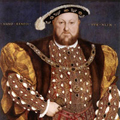
Geoffrey de Villehardouin

The Emperor Henry sojoumed after this manner for five days in the meadow by Nicomedia. And while he was thus sojourning, Theodore Lascaris took messengers, and sent them to him, asking him to make a truce for two years, on condition that the emperor would suffer him to demolish Skiza and the fortress of the church of St. Sophia of Nicomedia, while he, on his side, would yield up all the prisoners taken in the last victory, or at other times of whom he had a great many in his land.

So was the tower of Galata taken, and the port of Constantinople won by force. Much were those of the host comforted thereby, and much did they praise the Lord God; and greatly were those of the city discomforted. And on the next day, the ships, the vessels, the galleys and the transports were drawn into the port.

Dire was the war between the Franks and the Greeks, for it abated not, but rather increased and waxed fiercer, so that few were the days on which there was not fighting by sea or land. Then Henry, the brother of Count Baldwin of Flanders rode forth, and took with him a great part of the good men in the host. With him went James of Avesnes, and Baldwin of Beauvoir, Odo of Champagne of Champlitte, William his brother, and the people of their country.

The Emperor Baldwin journeyed so day by day that he met the messengers sent by those of Constantinople. One of the messengers was a knight belonging to the land of Count Louis of Blois, and the count's liegeman; his name was Bègue of Fransures, and he was wise and eloquent.

Count Louis went out first with his battalion, and began to follow after the Comans, and sent to urge the emperor to come after him. Alas! how ill did they keep to what had been settled the night before! For they ran in pursuit of the Comans for at least two leagues, and joined issue with them, and chased them a long space. And then the Comans turned back upon them, and began to cry out and to shoot.

When the Greeks who were in the host with Johannizza - the same who had yielded themselves up to him, and rebelled against the Franks - when they saw how he destroyed their castles and cities, and kept no covenant with them, they held themselves to be but dead men, and betrayed. They spoke one to another, and said that as Johannizza had dealt with other cities, so would he deal with Adrianople and Demotica, when he returned thither, and that if these two cities were destroyed, then was Roumania for ever lost.

Thus did the city surrender to the mercy of the Doge, on condition only that all lives should be spared. Then came the Doge to the counts and barons, and said to them: " Signors, we have taken this city by the grace of God, and your own. It is now winter, and we cannot stir hence till Eastertide; for we should find no market in any other place; and this city is very rich, and well furnished with all supplies. Let us therefore divide it in the midst, and we will take one half, and you the other."

The Emperor Henry and the host of the French encamped before the city; and the foraging parties overran the land and captured oxen, and cows, and beeves in great plenty and other beasts. And those from Adrianople, who had brought their chariots with them, and were poor and illfurnished with food, loaded their chariots with corn and other grain; and they found also provisions in plenty and loaded with them, in great quantities, the other chariots that they had captured.

Then did they bethink themselves of a very good device; for they enclosed the whole camp with good lists, and good palisades, and good barriers, and were thus far stronger and much more secure. The Greeks meanwhile came on to the attack so frequently that they gave them no rest, and those of the host drove them back with great force; and every time that the Greeks issued forth they lost heavily.

Syndicate content