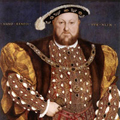
Geoffrey de Villehardouin

The Marquis Boniface of Montferrat rode all along the shore to the palace of Bucoleon, and when he arrived there it surrendered, on condition that the lives of all therein should be spared.

At that time those who had gone to the city of Piga - Peter of Bracieux and Payen of Orléans being the chiefs - fortified a castle called Palormo; and they left therein a garrison of their people, and rode forward to conquer the land. Theodore Lascaris had collected all the people he could, and on the day of the feast,of our Lord St. Nicholas (6th December 1204), which is before the Nativity, he joined battle in the plain before a castle called Poemaninon.

Now let us speak of these last no farther, but speak of Henry, brother to the Emperor Baldwin of Constantinople, who had left Adramittium, which he had conquered, and passed the straits at the city of Abydos, and was coming towards Adrianople to succour the Emperor Baldwin, his brother. And with him had come the Armenians of the land, who had helped him against the Greeks-some twenty thousand with all their wives and children-for they dared not remain behind.

When mass had been said, the Doge desired the envoys to humbly ask the people to assent to the proposed covenant. The envoys came into the church. Curiously were they looked upon by many who had not before had sight of them.

Then came tidings that in a certain valley, three leagues distant from the host, were the men and women whom ohannizza was leading away captive, together with 9.11 his plunder, and all his chariots. Then did Henry appoint that the Greeks from Adrianople and Demotica should go and recover the captives and the plunder, two battalions of knights going with them; and as had been arranged, so was this done on the morrow. The command of the one battalion was given to Eustace, the brother of the Emperor Henry of Constantinople, and the command of the other to Macaire of Sainte-Menehould.

So much time had passed that it was now Lent, and the host prepared their fleet to sail at Easter. When the ships were laden on the day after Easter (7th April 1203), the pilgrims encamped by the port, and the Venetians destroyed the city, and the walls and the towers.

Syndicate content