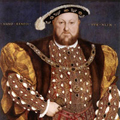
Napoleon

In order to give an idea of the great difficulties the soldiers had to face, and examples of their heroic behavior under trying circumstances, let us relate the disaster of Vop.

His GRACE, ARCHBISHOP CORRIGAN, New York, wrote the day after having received the book: "Dear Doctor, Many thanks for your great courtesy in sending me a copy of your charming work, 'Christian Greece and Living Greek.' I have already begun its perusal, the chapter on the proper 'Pronunciation of Greek' naturally inviting and claiming immediate attention. I think you laugh Erasmus out of court. Now I must begin, if leisure be ever afforded me, to dip into Greek again, to learn to pronounce your noble language correctly.

All the corps marched to Smolensk where they expected to reach the end of all their misery and to find repose, food, shelter; in fact, all they were longing for.

Napoleon entered the city with his guards and kept the rest of the army, including the stragglers, out of doors until arrangements could have been made for the regular distribution of rations and quarters. But together with the stragglers the mass of the army became unmanageable and resorted to violence.

Surgeon Huber of the Wuerttembergians, writes to his friend, Surgeon Henri de Roos, who settled in Russia after the campaign of 1812, how he crossed the Beresina, and in this connection he describes the following dreadful episode:

The threatening barrier had been surmounted, and on went the march to Wilna, without any possibility of a day's rest, because the miserable remainder of the French army was still followed by light Russian troops.

Syndicate content